

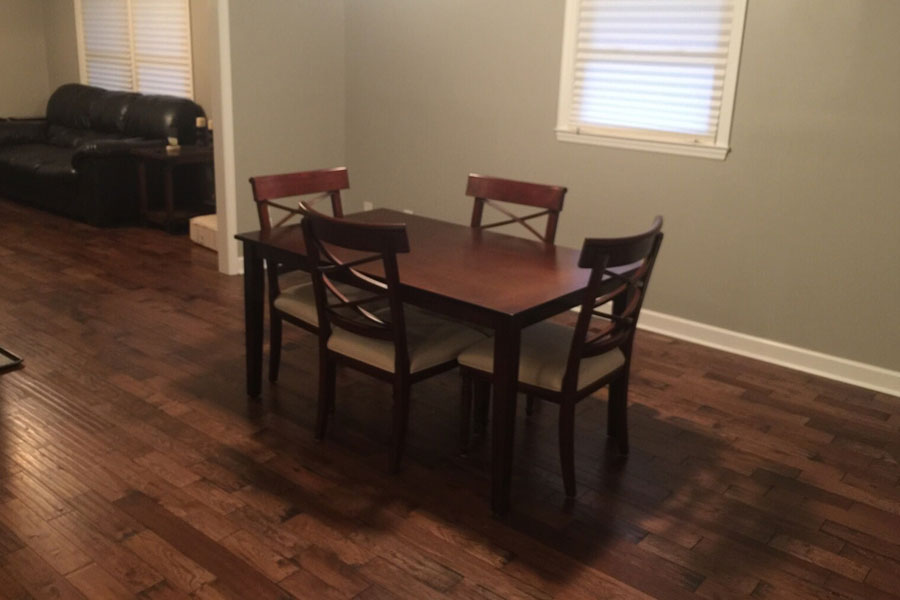
When it comes to high-quality flooring, "engineered hardwood" is a term you will hear constantly. But what exactly is it, and is it "real" wood? Many homeowners are surprised to learn that engineered hardwood is often the preferred choice for modern construction and renovations, even in luxury homes. However, it isn't the perfect solution for every single scenario. In this blog, we will break down the advantages and disadvantages of engineered flooring to help you decide if it’s the right fit for your next project.
What is Engineered Hardwood?
Before weighing the pros and cons, it’s important to understand the construction. Engineered hardwood consists of a top layer of genuine hardwood (the wear layer) bonded to a core of multiple layers of wood veneers or composite material. These layers are stacked in a cross-grain configuration and glued under high pressure.
The Pros: Why Choose Engineered Wood?
Superior Stability: Because the layers run in different directions, the wood is much less likely to warp, cup, or gap when the humidity changes. This makes it ideal for climates with high moisture or for installation over radiant heating systems.
Versatility in Installation: Unlike solid hardwood, which must be nailed or stapled to a wood subfloor, engineered wood can be glued down, stapled, or even "floated" over concrete slabs. This makes it a go-to for condos and basements.
Wider Planks: Because of its stability, engineered wood can be manufactured in much wider and longer planks than solid wood without the risk of significant movement.
Eco-Friendly: Engineered flooring uses less of the premium hardwood species per plank, allowing manufacturers to create more flooring from a single tree. You can find out more about our commitment to sourcing the best products on our About Us page.
The Cons: What to Consider Before Buying
Limited Refinishing: Depending on the thickness of the wear layer, engineered wood can only be sanded and refinished 1 to 3 times. Cheap versions with very thin veneers cannot be refinished at all.
Quality Variation: Not all engineered wood is created equal. Low-end products may use inferior glues or thin cores that can delaminate over time. It is vital to buy from a reputable outlet that vets its suppliers.
Cost: While many people assume engineered is cheaper than solid, high-quality engineered wood with a thick wear layer and a marine-grade plywood core can actually be more expensive than standard solid oak.
How to Choose the Right Quality
When shopping for engineered hardwood, look at the "wear layer" thickness. A 3mm to 6mm wear layer is ideal, as it allows for future refinishing. Also, check the core construction; more layers generally indicate a more stable and higher-quality product.
Where Should You Install It?
Engineered hardwood is the "all-terrain" vehicle of the flooring world. It is perfect for:
Basements (with a proper moisture barrier)
Kitchens
Concrete slab homes
High-humidity regions
Conclusion
Engineered hardwood offers a beautiful, real-wood surface with the added benefit of modern engineering that prevents common wood-flooring headaches. If you value stability and want the look of wide-plank flooring, it is likely the perfect choice for you. At Kingsly Hardwood Outlet, we carry a massive inventory of both solid and engineered options to suit any budget or environment. If you’re ready to see the difference for yourself, please visit our location to speak with a flooring specialist and take home samples for your space.


