

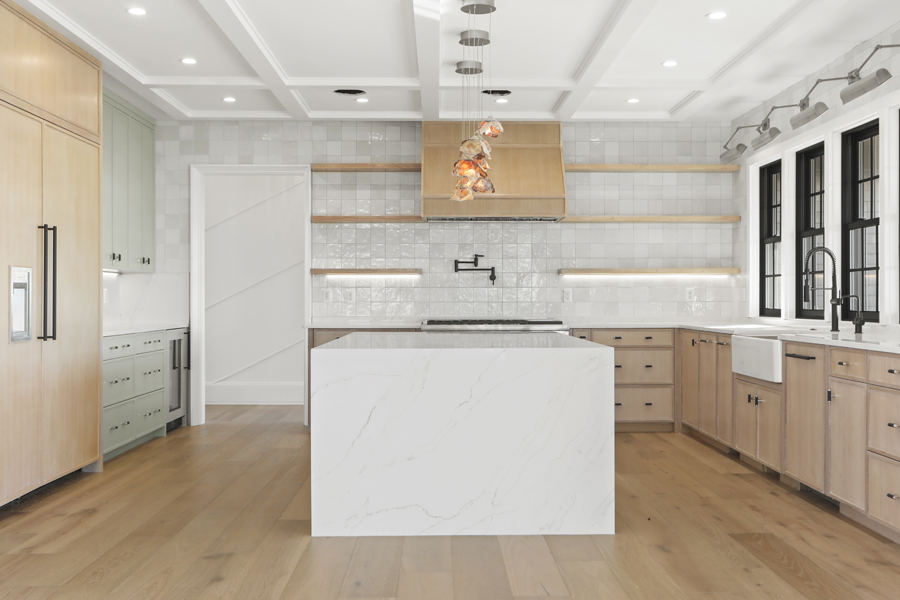
Investing in new flooring is one of the most significant decisions a homeowner can make. It is not just about aesthetics; it is about the long-term value, durability, and atmosphere of your living space. Hardwood flooring remains the gold standard in interior design because of its timeless appeal and ability to adapt to changing trends. However, with so many species, finishes, and construction types available, the selection process can feel overwhelming. At Kingsly Hardwood Outlet, we believe that informed decisions lead to lifelong satisfaction. This guide will walk you through everything you need to know to find the perfect wood for your unique lifestyle.
Understanding the Difference: Solid vs. Engineered Hardwood
The first hurdle most homeowners face is choosing between solid and engineered hardwood. While they may look identical on the surface, their structural differences determine where and how they should be installed.
Solid hardwood is exactly what it sounds like—a single, solid piece of wood from top to bottom. It is prized for its longevity, as it can be sanded and refinished multiple times over many decades. However, solid wood is prone to expansion and contraction with changes in humidity.
Engineered hardwood, on the other hand, consists of a real wood veneer (the "wear layer") atop multiple layers of plywood or high-density fiberboard. This cross-grain construction makes it incredibly stable. If you are planning a renovation in an area with varying moisture levels, engineered wood is often the superior choice. You can learn more about our commitment to quality and our history of helping homeowners make these tough calls on our About Us page.
Selecting the Right Wood Species
The "species" of the wood determines its hardness, grain pattern, and natural color.
Oak: The most popular choice in North America, known for its prominent grain and exceptional durability.
Maple: Offers a smoother, more subtle grain pattern, perfect for modern and minimalist aesthetics.
Walnut: Known for its deep, rich chocolate tones and luxurious feel.
Hickory: One of the hardest domestic woods, ideal for high-traffic homes with pets and children.
Considering the Finish and Texture
The finish of your floor dictates how it reflects light and how much maintenance it requires.
Satin Finish: A middle-ground sheen that hides small scratches and dust better than high-gloss options.
Matte Finish: Offers a natural, "raw" wood look that is currently very trendy in contemporary designs.
Distressed or Wire-Brushed: These textures add character and are excellent for busy households because they naturally camouflage wear and tear.
Why Local Expertise Matters
Choosing a floor from a screen is vastly different from seeing and feeling the planks in person. Lighting, room size, and local climate all play a role in how a floor will perform in your specific house. Because we serve a wide range of clients, we understand the specific environmental factors that affect flooring in our region. To see our full range of products and speak with a specialist, we invite you to visit our location to get a hands-on feel for the materials.
The Importance of Professional Installation
Even the most expensive hardwood can fail if it isn't installed correctly. Issues like improper acclimation, subfloor moisture, or incorrect spacing can lead to warping and gaps. When you choose a premium product, you should pair it with premium expertise.
Conclusion and Final Thoughts
Your home is your sanctuary, and the floor is the foundation of that comfort. Whether you are looking for the rugged durability of Hickory or the elegant sophistication of French Oak, taking the time to understand the technical aspects will ensure you love your floors for years to come. If you’re ready to transform your space, visit our location today to browse our extensive inventory and speak with our design consultants.


